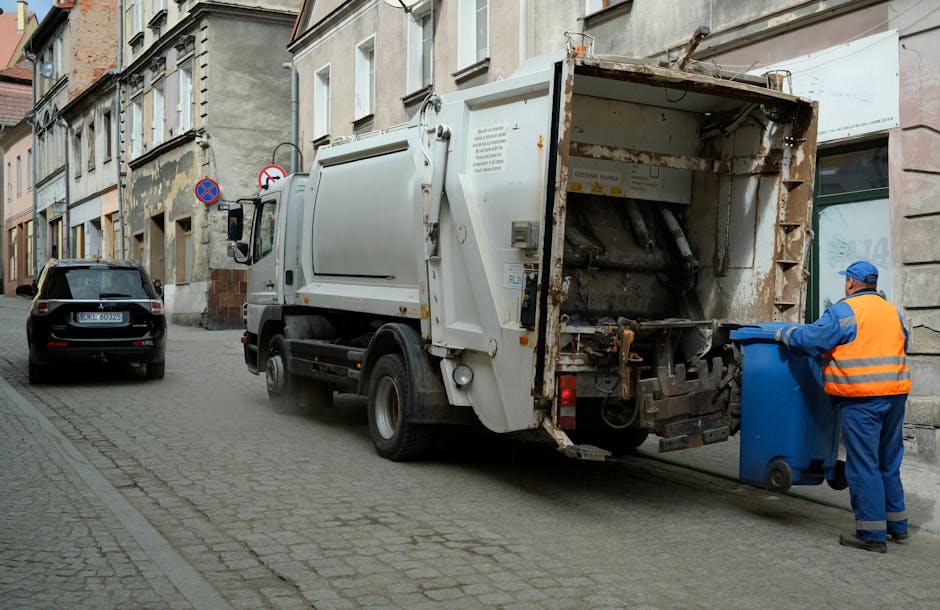
Bayswater Queensway rubbish collection guide for residents
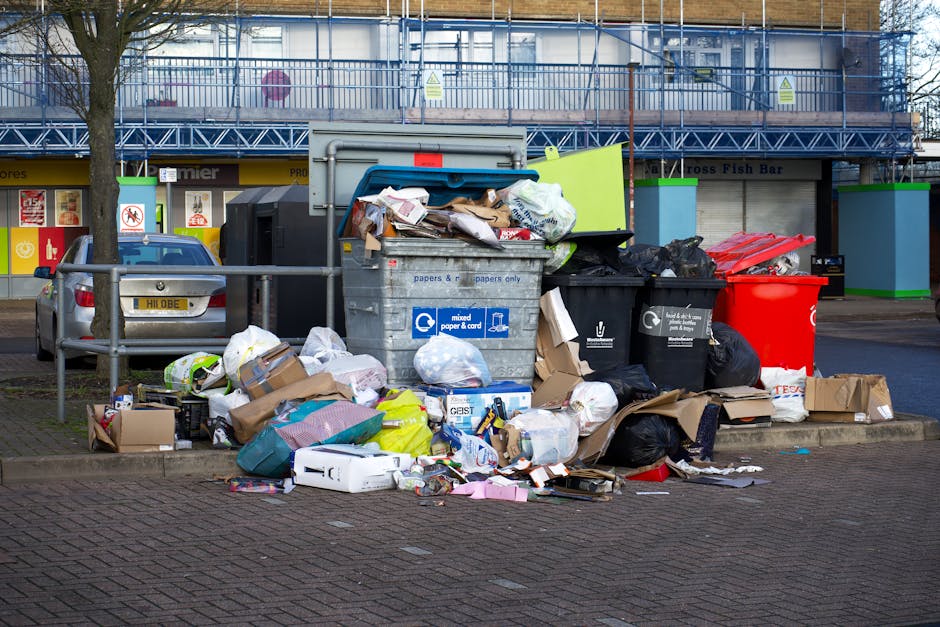
If you live near Bayswater or Queensway, rubbish can build up fast. A moving week, a flat clear-out, a garden tidy, or a small refurb can leave you staring at bags, broken furniture, and a pile of "I'll deal with it later" items. This Bayswater Queensway rubbish collection guide for residents is designed to make the whole thing feel less awkward, less wasteful, and a lot more manageable.
In plain English, you'll learn what rubbish collection options make sense locally, how to choose between a skip, a man and van service, or wait-and-load, what can and cannot go in mixed waste, and how to avoid the common mistakes that cost time and money. No fluff. Just practical guidance for everyday residents who want the job done properly.
- Why it matters
- How rubbish collection works
- Key benefits and practical advantages
- Who this is for and when it makes sense
- Step-by-step guidance
- Expert tips for better results
- Common mistakes to avoid
- Tools, resources and recommendations
- Law, compliance, standards or best practice
- Options, methods, or comparison table
- Case study or real-world example
- Practical checklist
- Conclusion
- Frequently asked questions
Why Bayswater Queensway rubbish collection guide for residents Matters
Rubbish collection in this part of London is about more than simply getting rid of waste. Space is tight, access can be awkward, and if you leave bags or bulky items in the wrong place, they tend to become everybody's problem. That is especially true around apartment blocks, converted houses, mews properties, and busy streets where people are coming and going all day.
A good rubbish collection plan helps residents avoid clutter, reduce stress, and keep hallways, pavements, and shared areas usable. It also helps with safety. Loose rubble, old appliances, and overloaded bin bags are not just untidy; they can create trip hazards and make it harder for cleaners, neighbours, and contractors to do their jobs. To be fair, nobody wants a sofa wedged in the stairwell for three days.
There is also a recycling angle. More waste than people realise can be separated and recovered if it is sorted properly. Using a responsible service can make a real difference, especially when you are clearing mixed household waste, timber, metal, cardboard, green waste, or broken furniture. If sustainability matters to you, the page on recycling and sustainability is a useful place to understand the broader approach.
Expert summary: If your rubbish is bulky, mixed, awkward to carry, or simply too much for normal bins, start by matching the waste type to the right collection method. That one decision usually saves the most time, mess, and frustration.
How Bayswater Queensway rubbish collection guide for residents Works
Most residential rubbish collection jobs fall into one of three patterns. You either need waste removed from outside the property, waste loaded for you at the kerb, or waste taken away after you've stacked it in a skip. The right choice depends on volume, access, timing, and whether the waste needs sorting.
For many homes and flats, a standard rubbish removal service is the simplest option. You book a collection, a team arrives, and the waste is taken away in one visit. This can be useful if you have old furniture, bagged rubbish, or a mix of household items and you do not want to spend the weekend dragging things downstairs in stages.
If you have a larger load, a skip may be more practical. The advantage is that you can fill it at your own pace. If access is tight or you only have temporary loading space, a wait-and-load skip hire arrangement may suit you better, because the vehicle waits while you load and then leaves again. That can be surprisingly handy in central London-style streets where keeping a skip on the road is not realistic.
Some residents also use man and van rubbish removal for single items, mixed loads, or a quick same-day clear-out. It is one of those services that sounds simple because it is simple. You point to the waste, and the team does the lifting. Nice when your back is already complaining.
When permits, access, or timing become a concern, you may need to look at skip hire permits and how they apply to your street or frontage. If a skip sits on private land, the rules are different from when it goes on the public highway. That distinction matters a lot, especially in a busy neighbourhood.
Key Benefits and Practical Advantages
The biggest advantage of using a proper collection service is simplicity. Instead of making several trips to a local disposal point, or trying to stuff a chest of drawers into a car that was never built for it, you can clear everything in one go. For residents with limited time, that alone is worth a lot.
Another benefit is reduced disruption. In flats, shared entrances and stairwells can get messy quickly. A planned collection keeps the mess contained and gets it out before it spreads. If you have neighbours above or below you, that courtesy matters more than people sometimes admit.
There is also a real cost-control benefit. People often assume the cheapest option is to keep everything in the household bin and "see what happens". In practice, overfilling, repeated lifts, wasted time, and emergency decisions often end up costing more. Choosing the right size and method upfront is usually calmer and cheaper in the end.
Useful benefits at a glance:
- Less lifting and fewer trips
- Cleaner communal spaces and safer access
- Better recycling and sorting outcomes
- More suitable options for awkward streets and tight drives
- Less risk of fly-tipping or leaving waste out too long
If you are comparing services, it helps to understand the difference between general rubbish removal and more specific support such as house clearance, garage and loft clearance, or house clearance for larger internal clear-outs. Those jobs sound similar, but they serve slightly different needs. And yes, that can be confusing at first.
Who This Is For and When It Makes Sense
This guide is mainly for residents who need to move rubbish out of a Bayswater or Queensway property without making the job more difficult than it needs to be. That includes people in flats, house shares, maisonettes, converted buildings, and homes with limited outside storage.
You might need it if you are:
- Clearing out after a move
- Replacing furniture, carpets, or white goods
- Sorting a loft, cellar, garage, or storage cupboard
- Doing light renovation work in a flat or maisonette
- Tidying garden waste after seasonal maintenance
- Managing waste after a tenancy changeover
It also makes sense if you do not have easy access to a car, van, or private loading space. A lot of residents in the area simply cannot shift bulky waste on their own without creating a huge amount of hassle. If that sounds familiar, you are not alone.
For building-related waste, a domestic solution may not be enough. A small refurb can generate more material than expected, especially with old tiles, plasterboard, timber offcuts, and packaging. In those cases, builders waste removal or builders skip hire may be more appropriate than a simple one-off collection.
Step-by-Step Guidance
Here's a straightforward way to plan a waste collection without overthinking it. The order matters more than people think.
- Identify the waste type. Separate household rubbish, bulky items, garden cuttings, electricals, and anything hazardous. A mixed pile is fine at the planning stage, but not at the "load it all and hope" stage.
- Estimate the volume. A few black bags is very different from a room full of furniture. If you can, compare the load to a small van, a skip, or a pile stacked beside the door.
- Check access. Think about stairs, lift use, narrow hallways, parking restrictions, and whether a vehicle can stop safely nearby.
- Choose the collection method. Pick between rubbish removal, skip hire, wait-and-load, or a specialist service depending on the waste and the site conditions.
- Confirm restricted items. Not everything can go in mixed waste. Appliances, mattresses, paint, chemicals, and some electronic items often need separate handling.
- Book with enough lead time. If the building has set delivery windows or access rules, give yourself breathing space. Same-day help can be useful, but it is not always the best plan.
- Prepare the waste. Bag loose debris, flatten boxes, tape sharp edges, and keep pathways clear. That little bit of prep makes the collection much faster.
For residents who want to see size and load options before deciding, skip sizes and prices can help frame the decision. Even if you do not end up choosing a skip, it is useful for understanding capacity. You will notice that most waste problems become easier once size is matched properly.
If you are unsure whether something belongs in a load, the page on what can go in a skip is a practical reference point. It is not glamorous reading, granted, but it saves avoidable mistakes.
Expert Tips for Better Results
Small choices make a big difference with residential rubbish. A few habits really do improve the whole experience.
Tip 1: sort before collection. Even basic sorting helps. Keep cardboard separate if possible, remove obvious recyclables, and group similar items together. It makes loading quicker and improves the chance of responsible recycling.
Tip 2: think about the awkward item first. The big sofa, old fridge, or broken wardrobe usually sets the tone for the job. If that item is hard to move, build the whole plan around it rather than leaving it until last.
Tip 3: protect shared spaces. A folded blanket, cardboard sheet, or dust sheet can save a lot of scuffs on stairs and landings. It sounds minor. It is not minor when you're carrying something heavy through a narrow corridor at 7:30 in the morning.
Tip 4: keep hazardous items separate. Paint tins, solvents, gas bottles, batteries, and unknown chemicals should never be tossed into a general load. If anything seems questionable, treat it cautiously and ask before collection. If the waste is genuinely risky, a dedicated hazardous waste disposal service may be needed.
Tip 5: choose the right timing. If your building has lift use peaks, school-run traffic, or weekend visitor traffic, it may be smarter to schedule collection earlier in the day. The quieter the access route, the easier the job.
There is also a quiet efficiency trick: if you are clearing a lot of household clutter, combine similar tasks. For example, if you are already emptying a loft, it may be worth adding garage and loft clearance to the plan rather than doing the work twice. Saves a lot of faffing about.
Common Mistakes to Avoid
Most collection headaches come from the same few errors. Once you know them, they become easier to avoid.
Underestimating the amount of waste. This is the classic one. People look at a pile for 20 seconds and think, "That's not much." Then the furniture starts coming down the stairs and suddenly it's a small mountain.
Mixing restricted items into general rubbish. This can create safety issues, delay collection, or lead to extra charges. It is much better to flag these items early than pretend they are not there.
Ignoring access issues. Parking restrictions, loading bays, permit requirements, and narrow road widths matter. A lot. A clear plan avoids awkward phone calls and last-minute changes.
Leaving waste outside too early. In shared residential areas, this can create complaints, block entrances, and invite weather damage or contamination. If the wind gets up, lightweight packaging has a habit of disappearing down the road. Annoying, really.
Choosing the wrong service type. A small pile of bagged rubbish may not justify a large skip, while a full strip-out may need more than a basic collection. Matching the service to the job is the whole game.
For some residents, a specialist option such as fridge and appliance removal or mattress and sofa disposal is cleaner and simpler than bundling items into general waste. One item, one solution. Often that is the least stressful route.
Tools, Resources and Recommendations
You do not need a toolkit the size of a hardware store, but a few basic things make residential rubbish collection easier.
- Heavy-duty rubble sacks or refuse bags for loose waste and smaller items
- Gloves and sturdy shoes for safer handling
- Tape and markers for bundling loose pieces or labelling items
- Dust sheets or cardboard to protect floors and stair edges
- A tape measure to judge furniture and access gaps
- A simple room-by-room list so nothing gets forgotten in the chaos
If you are trying to compare service styles, the most useful pages are usually rubbish removal, skip hire, and grab hire services. They cover different use cases. For example, grab hire can be a smart option for heavier loose waste, while rubbish removal is often better for mixed household clear-outs.
Residents dealing with construction leftovers may also want to look at construction waste disposal or construction waste clearance. That distinction matters if you are renovating a kitchen or bathroom and not just getting rid of old chairs.
For paperwork, privacy, or office-style clear-outs from a home workspace, confidential shredding and office clearance can be relevant too. Remote work has made home offices more common, and yes, old files somehow multiply in drawers.
Law, Compliance, Standards, or Best Practice
When dealing with residential waste in London, the safest approach is to follow normal UK waste-handling best practice: keep waste contained, do not dump it on the street, and make sure anything removed is passed to a legitimate waste carrier. That last point is especially important. If someone offers a suspiciously cheap collection and disappears with your rubbish, you can end up with the problem landing back on you. Not ideal.
In practice, that means checking that waste is handled responsibly, understanding permit requirements for skips where relevant, and avoiding items that should be processed separately. If you are placing a skip on the public highway, permit issues may apply. If the skip is on private land, access and safety still matter.
Good best practice also means reducing contamination. Mixed loads are normal, but general household waste should not be contaminated with hazardous substances, liquids, or banned materials. If there is any doubt, ask before loading. It is much easier to separate an item before collection than after it has been mixed into a full load.
For residents who care about safety and standards, the supporting company pages on health and safety policy, insurance and safety, and payment and security help show what a professional approach looks like. You do not need legal jargon. You just need assurance that the basics are being handled properly.
Options, Methods, or Comparison Table
Here is a simple comparison to help residents choose the most practical method. The best option depends on access, waste volume, and how quickly you need the space back.
| Method | Best for | Strengths | Limitations |
|---|---|---|---|
| Rubbish removal | Bulky household waste, mixed items, quick clear-outs | Simple, fast, minimal effort from the resident | May be less efficient for very large volumes |
| Skip hire | Ongoing clear-outs, refurb waste, larger mixed loads | Fill at your own pace, good for bigger jobs | Needs space and sometimes a permit |
| Wait-and-load | Short loading windows, restricted streets, no space for a skip | Excellent for tight access and fast turnaround | You must be ready to load promptly |
| Grab hire | Heavy loose waste, rubble, soil, mixed construction debris | Efficient for large or bulky piles | Needs clear access for the grab vehicle |
If you are still weighing things up, start with access. In a lot of Bayswater or Queensway situations, access decides the job before anything else does. Then consider time. Then cost. In that order, usually.
For a better sense of broader project support, site clearance and muck away services may be useful if the waste is from a larger project rather than normal domestic clutter. Different jobs, different tools.
Case Study or Real-World Example
Imagine a resident in a Bayswater flat who has just finished replacing a bedroom wardrobe, clearing an airing cupboard, and shifting a pile of old bags that had somehow been accumulating for months. Nothing dramatic. Just a familiar, slightly annoying household clear-out.
The first thought is often to use the regular bins and make several trips. But the lift is small, the corridor is narrow, and there are three flights of stairs if the lift is busy. That turns a "quick tidy" into a half-day project. Nobody wants that on a Saturday afternoon.
Instead, the resident groups the waste by type: cardboard, small mixed rubbish, a broken bedside cabinet, and an old mattress. The bulky item is separated early. The mattress is booked for dedicated disposal, the rest is loaded through a simple collection plan, and the hallway stays clear. The difference is night and day.
What made the job work was not force. It was planning. The resident did not try to solve everything with one bin bag and optimism. That helps more than people expect.
A similar approach works for seasonal garden tidying too. If you are dealing with hedge cuttings, pots, soil, and old outdoor furniture, a dedicated garden waste removal solution may be cleaner than mixing everything together. Same with bigger property jobs where house clearance can take the pressure off a big emotional or logistical task. These things are rarely just about rubbish; they're about getting a space back.
Practical Checklist
Use this checklist before you book anything. It keeps the process tidy and saves last-minute stress.
- List every item that needs collecting
- Separate bulky items from loose rubbish
- Check for electricals, chemicals, batteries, or other restricted waste
- Measure access points, stairwells, lifts, and doorway widths
- Think about parking, loading space, and street restrictions
- Decide whether you need a skip, a collection, or a same-day option
- Confirm whether a permit may be needed
- Prepare the items so they are easy to remove
- Keep communal areas protected and clear
- Check that the provider can advise on recycling and disposal
If the job is urgent, a same day skip hire option may be the practical answer. Not every clear-out can wait until next week, let's face it. Life gets in the way.
Get a free quote today and see how much you can save.
Conclusion
A good Bayswater Queensway rubbish collection guide for residents should leave you with one clear idea: the best waste solution is the one that fits your space, your schedule, and your type of rubbish. Not the biggest service. Not the cheapest-looking option. The right one.
Once you understand whether you need a simple collection, a skip, wait-and-load, or a specialist disposal service, everything becomes easier. You waste less time, make fewer mistakes, and keep your home or building calmer throughout the process. That is really the point.
If you are planning a bigger project, it can help to learn more about the business behind the service on the about us page, or use the book online option when you are ready to move. And if you have a specific question, the contact us page is there for that final bit of reassurance.
Good rubbish collection should make life lighter, not more complicated. A little planning goes a long way, and honestly, that is often enough to turn a messy job into a manageable one.
Frequently Asked Questions
What is the best rubbish collection option for residents in Bayswater and Queensway?
The best option depends on volume and access. For bulky household items, rubbish removal is often easiest. For bigger or ongoing clear-outs, skip hire may be better. If space is very tight, wait-and-load can be the most practical choice.
Do I need a permit for a skip near my home?
Sometimes, yes. If the skip is placed on the public highway, permit rules may apply. If it sits fully on private land, that may not be needed, but access and safety still need checking. It is worth confirming before booking.
Can I put mixed household waste in one collection?
Usually, yes, within reason. Mixed household waste is common, but restricted items such as chemicals, batteries, and some appliances should be handled separately. When in doubt, separate it before the collection date.
What items are usually not allowed in a general rubbish load?
Hazardous materials, liquids, gas bottles, some electricals, and anything that could pose a safety risk are commonly restricted. Mattresses and appliances may also need special handling depending on the service.
Is rubbish removal better than skip hire for flats?
Often it is. Flats can have limited access, no driveway space, and awkward communal routes. Rubbish removal or wait-and-load can avoid the headache of placing a skip where it blocks access or needs a permit.
How do I know what size service I need?
Start by estimating the volume and looking at the biggest item first. A single sofa needs a very different plan from a whole-room clear-out. If you are unsure, comparing against skip sizes can help you judge the load more accurately.
Can rubbish collection help with garden waste too?
Yes, garden cuttings, branches, soil, and old outdoor items can often be collected through a suitable service. If the waste is mainly green material, a dedicated garden waste option is usually cleaner and more efficient.
What if I need waste removed quickly?
Same-day or fast-turnaround options may be available depending on the workload and access. If time is tight, say so early. That gives you the best chance of finding a workable slot without stress.
How can I make the collection faster on the day?
Sort the waste in advance, clear the route, keep items together, and separate anything awkward or hazardous. A few minutes of prep can save a lot of carrying, waiting, and back-and-forth.
What should I do with old fridges, sofas, or mattresses?
These items are often better handled through dedicated disposal services rather than mixed waste. Appliance, furniture, and mattress disposal can be arranged more safely and usually more neatly than trying to force them into a general load.
Is it okay to leave bags outside the property before collection?
Only if the collection timing and location have been agreed and it does not block access or create a hazard. In shared buildings, leaving waste out too early can cause complaints or mess, so timing matters quite a bit.
Why should residents care about recycling when booking rubbish collection?
Because sorting waste properly can reduce what goes to landfill and improve the overall outcome. A responsible collection service should aim to recover as much as practical, especially from mixed domestic loads. It is a small thing that adds up.